
Donald Sterling Says Ex Sidepiece V. Stiviano Illegally Forged His Name To Cop $1.8 Million Dollar Home

VStivianoDonaldSterling
V. Stiviano sits with Ex-Clippers owner, Donald Sterling at a Clippers NBA game in 2011. Photo: Associated Press/Danny Moloshok

Recordings that cost Donald Sterling ownership of the Los Angeles Clippers could cost the woman he was dating the fortune in gifts he lavished on her.

Snippets of the conversations recorded by V. Stiviano were played Wednesday as a lawyer for Sterling’s wife explained why the former girlfriend should return more than $3.6 million the billionaire gave her in gifts that included a duplex, Ferrari, jewelry and designer clothes.

Stiviano manipulated and deceived the 80-year-old to give away community property that belongs to Shelly Sterling, his wife of nearly 60 years, attorney Pierce O’Donnell said in Los Angeles Superior Court. Continue reading “Donald Sterling Says Ex Sidepiece V. Stiviano Illegally Forged His Name To Cop $1.8 Million Dollar Home”
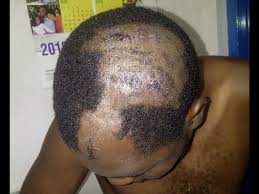
Courts Rule Brother of ‘Dudus’ Coke, ‘Livity’ Will Get Nothing For His Prison Injuries

LivityCokePrison
Music Producer of Liv Up Records, Leighton ‘Livity’ Coke, the brother of former Tivoli Gardens gangster Christopher “Dudus” Coke says he was beaten by prison officials during his incarceration in Jamaican prison.

The Full Court this morning shot down the lawsuit brought by Leighton ‘Livity’ Coke, the brother of Christopher ‘Dudus’ Coke, against the State over his alleged assault by soldiers at the Horizon Adult Remand Centre and the use of soldiers at the facility.

[OLD NEWS] ‘Livity’ Coke’s lawsuit against State pushed back to January 27

The court ruled that the soldier’s presence in the remand center was lawful. Continue reading “Courts Rule Brother of ‘Dudus’ Coke, ‘Livity’ Will Get Nothing For His Prison Injuries”

Christia Mercer On Teaching In Prison

jennysaul's avatarFeminist Philosophers

in the Washington Post.

Things have not always been this bad. In the 1980’s, when the prison population sat below 400,000, our  incarcerated citizens were educated through state and federal funding. But the 1990’s brought an abrupt end to government support. When President Clinton signed into law the Crime Bill in 1994, he eliminated incarcerated people’s eligibility for federal Pell grants and sentenced a generation of incarcerated Americans to educational deprivation. Nationwide, over 350 college programs in prisons were shut down that year. Many states jumped on the tough-on-crime bandwagon and slashed state funded prison educational programs. In New York State, for example, no state funds can be used to support secondary-education in prison. Before 1994, there were 70 publicly funded post-secondary prison programs in the state. Now there are none. In many states across the country, college instruction has fallen primarily to volunteers.

View original post