
Charges Dropped Against Accused Cali Rapper Who Was Facing Life In Prison Over Rap Lyrics

TinyDooFree
Photo courtesy of Tiny Doo

A judge dropped charges last Monday against a San Diego rapper accused of benefitting from gang crimes because of his music, KNSD-TV reported.

Brandon Duncan, who performed as Tiny Doo, had faced life in prison if convicted of the nine felonies, which related to shootings that took place in 2013 and 2014. Duncan did not pull the trigger or have knowledge of the shootings, both sides agreed. Prosecutors instead filed charges because they said his music encouraged gang activity. Continue reading “Charges Dropped Against Accused Cali Rapper Who Was Facing Life In Prison Over Rap Lyrics”
Courts Rule Brother of ‘Dudus’ Coke, ‘Livity’ Will Get Nothing For His Prison Injuries

LivityCokePrison
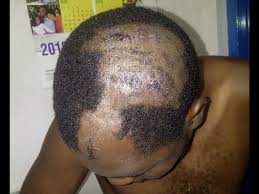
Music Producer of Liv Up Records, Leighton ‘Livity’ Coke, the brother of former Tivoli Gardens gangster Christopher “Dudus” Coke says he was beaten by prison officials during his incarceration in Jamaican prison.

The Full Court this morning shot down the lawsuit brought by Leighton ‘Livity’ Coke, the brother of Christopher ‘Dudus’ Coke, against the State over his alleged assault by soldiers at the Horizon Adult Remand Centre and the use of soldiers at the facility.

[OLD NEWS] ‘Livity’ Coke’s lawsuit against State pushed back to January 27

The court ruled that the soldier’s presence in the remand center was lawful. Continue reading “Courts Rule Brother of ‘Dudus’ Coke, ‘Livity’ Will Get Nothing For His Prison Injuries”

Christia Mercer On Teaching In Prison

jennysaul's avatarFeminist Philosophers

in the Washington Post.

Things have not always been this bad. In the 1980’s, when the prison population sat below 400,000, our  incarcerated citizens were educated through state and federal funding. But the 1990’s brought an abrupt end to government support. When President Clinton signed into law the Crime Bill in 1994, he eliminated incarcerated people’s eligibility for federal Pell grants and sentenced a generation of incarcerated Americans to educational deprivation. Nationwide, over 350 college programs in prisons were shut down that year. Many states jumped on the tough-on-crime bandwagon and slashed state funded prison educational programs. In New York State, for example, no state funds can be used to support secondary-education in prison. Before 1994, there were 70 publicly funded post-secondary prison programs in the state. Now there are none. In many states across the country, college instruction has fallen primarily to volunteers.

View original post