
The waterfront South Florida mansion gangster Al Capone bought as a family retreat in 1928 is being restored to its Prohibition-era opulence and beginning what the property’s new managers said is a new chapter as a sun-splashed site for video and photo shoots.


 The site is actually a collection of three houses: a gate house, a main villa and a cabana overlooking a large pool on one side and Biscayne Bay on the other. Marco Bruzzi, co-founder and chief executive officer of the MB America property investment company, said the purchase price was more than $8 million, with an additional $1.75 million in renovations ongoing.
As many 1920s touches as possible are being kept, including some original light fixtures and a red coral bridge over an outdoor pond. It will have a new name: 93 Palm.
“It’s important to keep the same look for the property,” Bruzzi said.
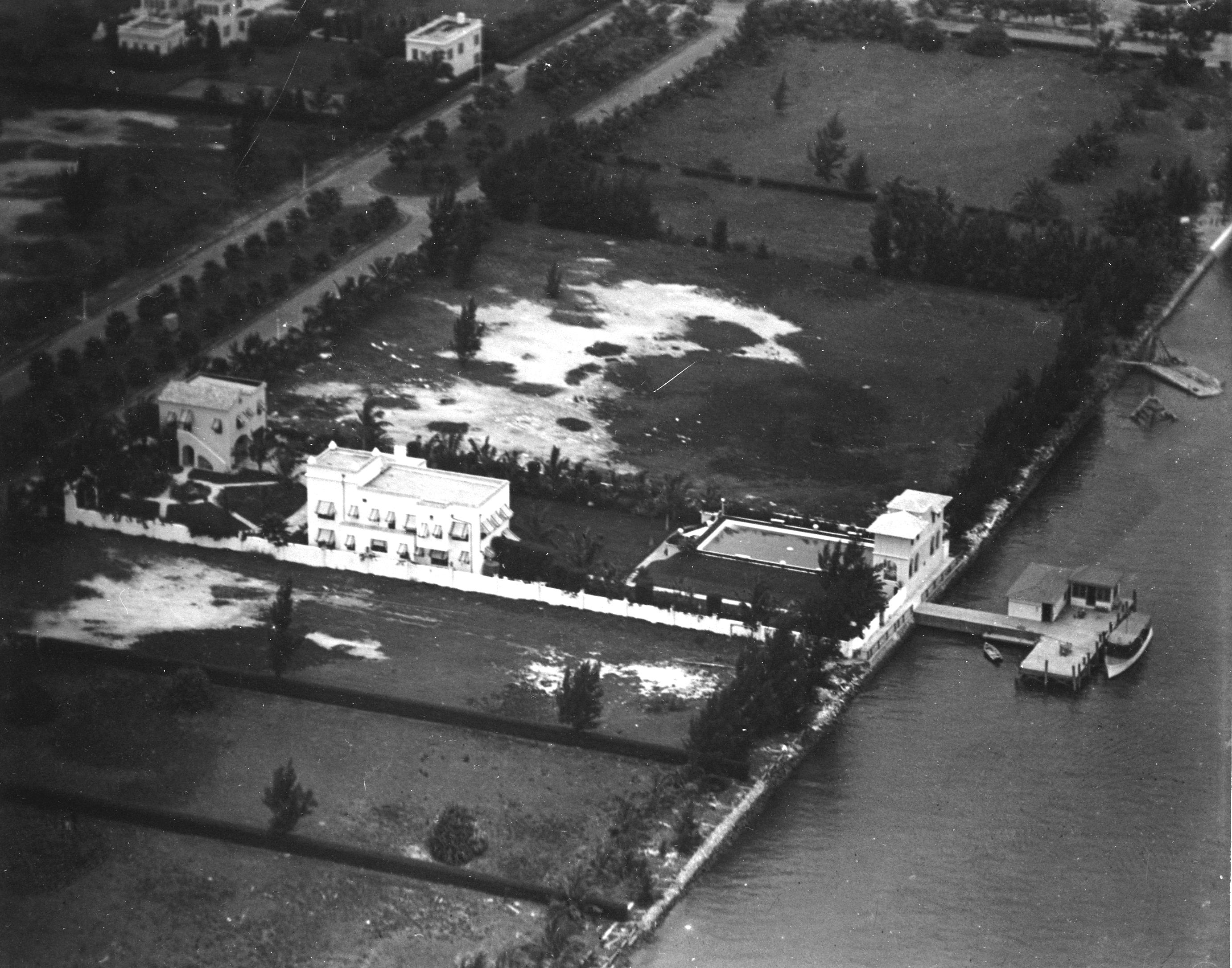
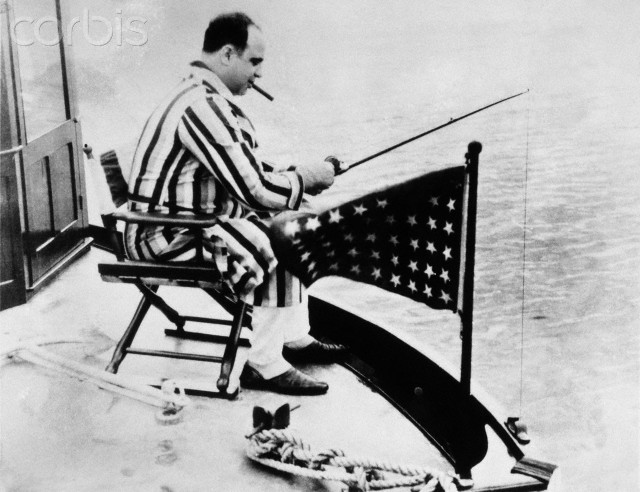


Al Capone paid $40,000 for the mansion in 1928, and often spent the colder Chicago months there. It’s protected by a 7-foot wall and heavy gate, and still retains Art Deco features such as a gold-and-black powder room, fireplaces and ceiling lights dated to 1921. Paul George, history professor at Miami-Dade College, said Capone loved to shop and hit the nightclubs, as well as the local horse and greyhound tracks. The local authorities were not happy to have him around. They arrested Capone several times on charges ranging from vagrancy — for not disclosing the sources of his income — to perjury for his complaints about police treatment.
The feds finally caught up with Capone in 1931, when he was charged with tax evasion. He was eventually convicted and sentenced to 11 years in prison, much of which he spent at Alcatraz in San Francisco Bay. Capone was finally released a few years early in 1938 and returned to the mansion in Miami Beach, where he would live out the rest of his days.
Chicago Tribune
Gangsters & Grifters is a collection of vintage Chicago crime images from the early 1900s to the 1950’s.
Related Stories

 The Pen Hustle With Brandy Cavalli