FEATURED POST: A Different Room

Sam van Zweden's avatarSam van Zweden

Image source: Flickr / vanessaberry Image source: Flickr / vanessaberry

My work space at home is a room of its own – it’s a second bedroom turned into a study, where I have a desk, a reading chair, and a couple of book shelves. This room houses the nonfiction shelves and lit mags. It’s nice to be able to get out of bed and be at work without leaving the house.

It’s also really hard. It’s hard to not do the dishes mid-morning, or watch some TV over lunch (which then turns into an afternoon of TV). It’s difficult to concentrate on anything for a particularly long period of time when the rest of my life creeps in, because the place I work is amongst my life. It’s all tangled up in the messiness of living. The washing and the dinner and the laziness of lunchtime. The lure of bed on bad days, the ease…

View original post 293 more words
FEATURED POST: Poverty Is Quicksand

poor

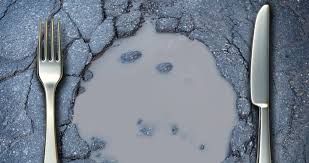
It’s hard to believe that anyone thinks the poor, in this country, have an easy, work-free life. There’s an assumption among a certain segment of the population that government benefits are enough to enable someone to ease back and voluntarily give up looking for a job. The reality is that poverty, especially now, is more like quicksand. Once you fall into it, it’s harder and harder to get out. Opportunity to improve one’s life has disappeared for most Americans, especially those who are poor. As The Atlantic wrote not long ago: “The American Dream isn’t dead. It just moved to Denmark.”

Who are the poor? Most of us. Research has shown that, more than half of all Americans, at some point in their lives, will spend a year either in poverty or close to it. Those in poverty don’t willingly choose to stay there. None find it easy. Charles Blow wrote a column in the New York Times recently that offered only a few of the many examples of how painful it is to be poor. He was responding to a Pew Research Center survey showing how many Americans believed that the poor now have it easy, thanks to government benefits that supplement whatever they are able to earn in minimum wage jobs.

Continue reading “FEATURED POST: Poverty Is Quicksand”

FEATURED POST: Why Children Need Chores

chores

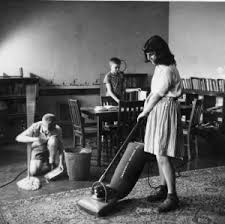
Today’s demands for measurable childhood success—from the Common Core to college placement—have chased household chores from the to-do lists of many young people. In a survey of 1,001 U.S. adults released last fall by Braun Research, 82% reported having regular chores growing up, but only 28% said that they require their own children to do them. With students under pressure to learn Mandarin, run the chess club or get a varsity letter, chores have fallen victim to the imperatives of resume-building—though it is hardly clear that such activities are a better use of their time.

“Parents today want their kids spending time on things that can bring them success, but ironically, we’ve stopped doing one thing that’s actually been a proven predictor of success—and that’s household chores,” says Richard Rende, a developmental psychologist in Paradise Valley, Ariz., and co-author of the forthcoming book “Raising Can-Do Kids.” Decades of studies show the benefits of chores—academically, emotionally and even professionally. Continue reading “FEATURED POST: Why Children Need Chores”